 Skip to content
Due to the wide variety of fiber outdoor boxes and the design differences between manufacturers, customers often don’t know which type of fiber box is best suited for their project or which style is more convenient or efficient for on-site installation, as they cannot see or touch the actual product during the sourcing process. Therefore, we have prepared this article to provide customers with a simple overview, hoping it will be helpful.
Outdoor fiber optic boxes are mainly distinguished by their installation method, capacity, material, and functional characteristics. The following is a detailed classification method:
1. Classified by installation method:

Wall-mounted box:
Fixed to the wall, suitable for indoor and outdoor wall deployment, such as in residential building corridors.

Aerial-mounted box:
Suspended on power lines, specifically designed for aerial fiber optic cables, requiring wind pressure resistance.
Direct-buried box:
Buried underground, using a high-strength metal casing with an IP68 protection rating, suitable for harsh geological environments.

Pole-mounted box:
Fixed to concrete utility poles, suitable for outdoor aerial fiber optic cables and ordinary fiber optic cables.
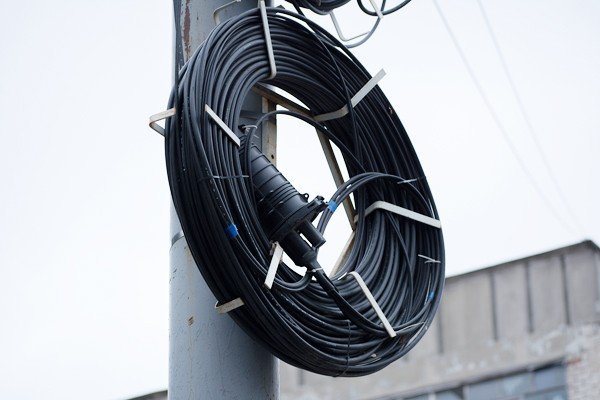
Classified by splicing capacity
- Small boxes (4-12 cores): Suitable for homes or small businesses, such as FTTH (Fiber to the Home) scenarios.
- Medium boxes (24-48 cores): Commonly used in building or campus networks, supporting multi-channel fiber optic routing.
- Large boxes (96 cores and above): Used in backbone networks or data centers, such as the pre-connected splitter integrated box in ODN 3.0 solution.


Classified by Material
- Metal type: Aluminum alloy/stainless steel material, impact-resistant and corrosion-resistant, suitable for industrial or outdoor environments.
- Plastic type: ABS/PC/PP engineering plastic, lightweight and low-cost, mostly used for temporary deployment or indoors.
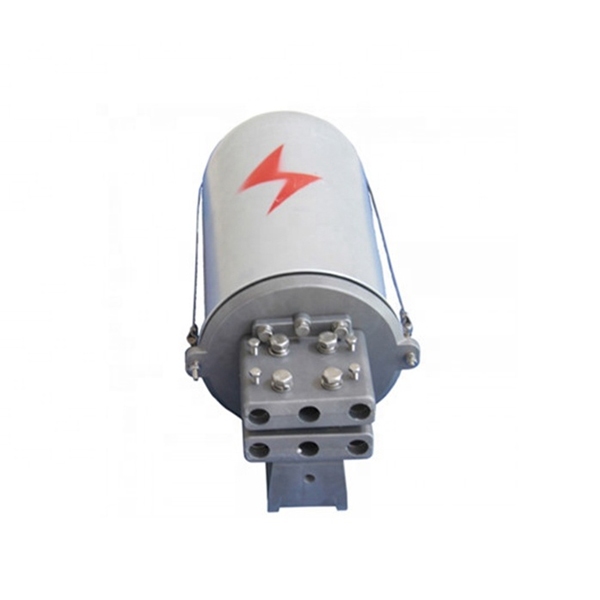
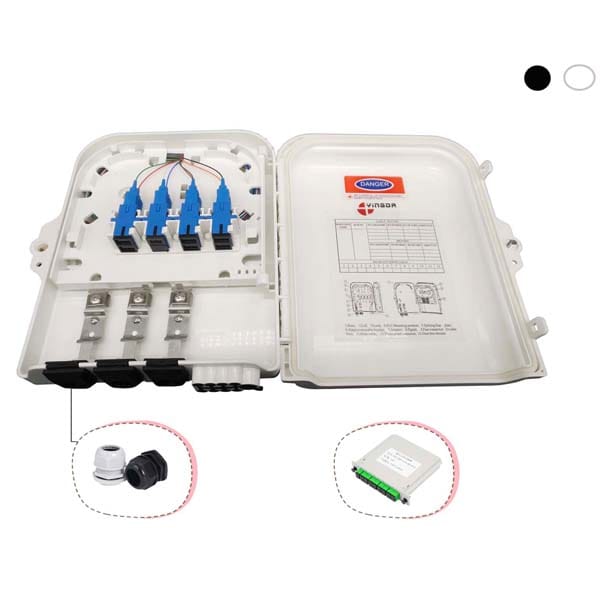

Classified by Functional Characteristics
- Splice box: Specifically designed for protecting fiber optic splice points, includes an integrated splice tray and large storage space for redundant fibers.
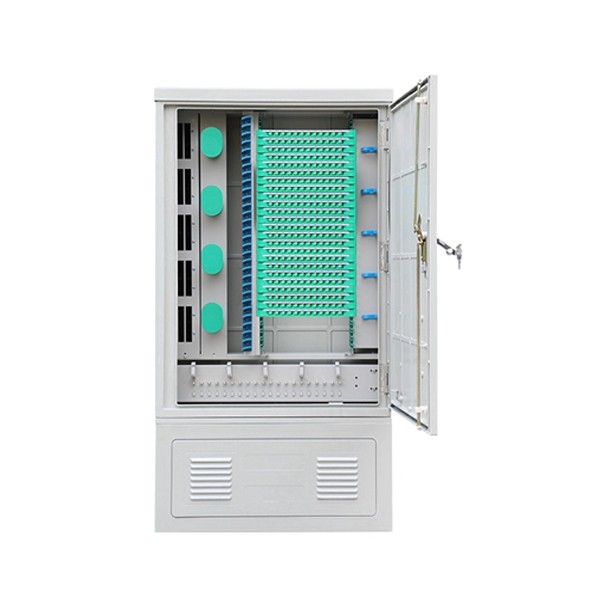
- Distribution box: Supports flexible routing of fiber optic patch cords, such as ODF outdoor cabinets, compatible with LC/SC and other interface types.

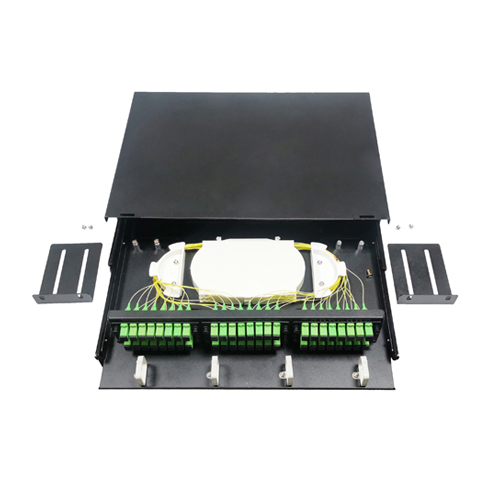
Conclusion
- Enclosure markings: Metal boxes are usually marked “GYTA” (aluminum armored) or “GYTS” (steel armored), while plastic boxes often have “ABS” material specifications printed on them.
- Number of ports: Small FTTH terminal boxes have ports qty≤12, and large fiber boxes have ports qty ≥96, which can be confirmed via the panel label.
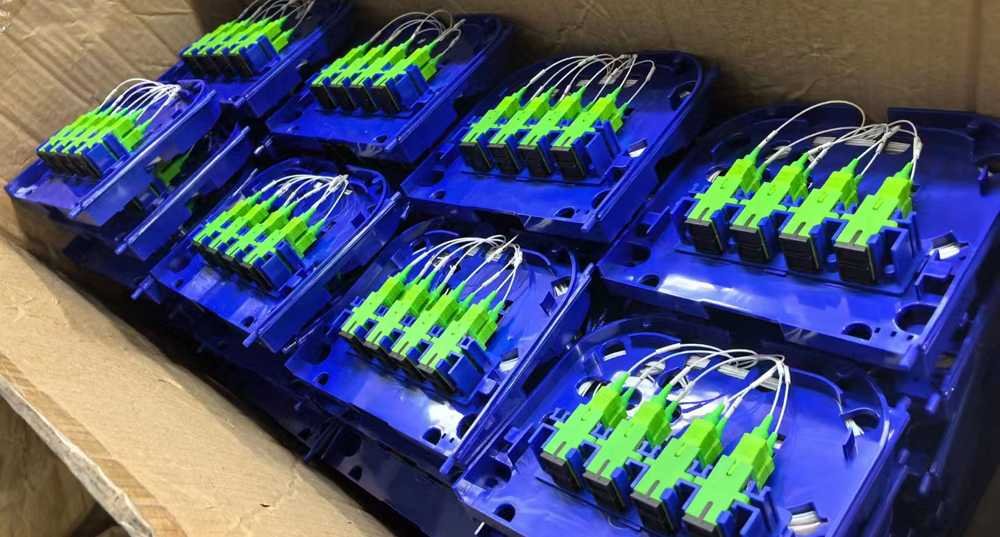
Yingda can provide fiber optic boxes with various numbers of ports, the most popular types are 2 port fiber termination box, 4 port fiber termination box, 6 port fiber termination box, 8 port fiber termination box, 12 port fiber termination box, 16 port fiber termination box, 24 port fiber termination box, 32 port fiber termination box, etc.
