 Skip to content
SFP optical modules offer a wide range of transmission distances, depending on fiber module types, wavelength, fiber type (single mode or multimode), and data rate class.
Single mode SFP optical module
Single-mode SFP optical modules typically use wavelengths of 1310nm or 1550nm, paired with 9/125um single-mode fiber, supporting long-distance transmission. Their transmission distances can range from 2 kilometers to hundreds of kilometers. For example:
- 1.25Gbps module: Up to 20km to 100km
- 10Gbps module: Covers 10km to 40km
- 25Gbps module: Achieves 10km to 40km
- Specific models: Support 80km transmission
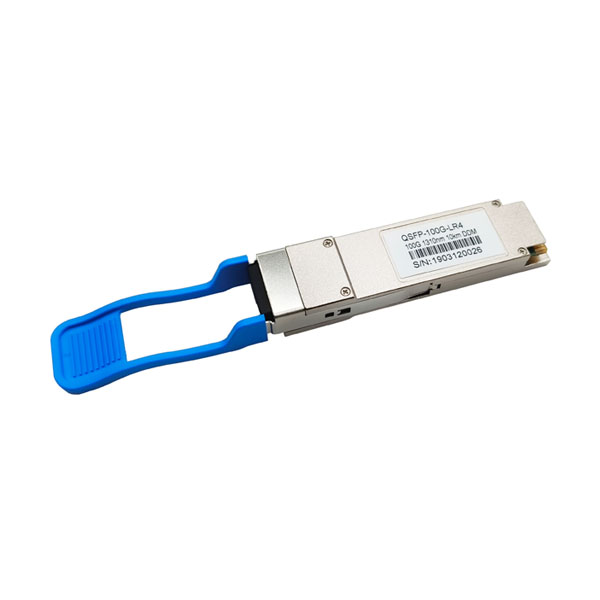
Multimode SFP optical module
Multimode SFP optical modules typically use an 850nm wavelength, paired with multimode fiber (such as 50/125 or 62.5/125um), resulting in relatively short transmission distances. Their transmission distances are generally between several hundred meters and two kilometers. The specific distance is affected by the fiber type (such as OM3/OM4) and the data rate:
- 1.25Gbps: Supports 300 meters to 550 meters
- 10Gbps: Limited to 300 meters
- 25Gbps: 70 meters on OM3 fiber, 100 meters on OM4 fiber

Transmission Distances of Different Technical Specifications
Besides traditional optical modules, there are other types of SFP module products with the following transmission distances:
- SFP+ High-Speed Cable (AOC cable): Maximum transmission distance is 10 meters, suitable for short-distance connections within a server rack.
- SFP+ Electrical Interface Module (DAC cable): Connects via cable, with a maximum transmission distance of approximately 80 meters.
- SFP+ Optical Module: Offers the widest range of transmission distances, from 300 meters to 120 kilometers. The specific distance depends on the module type (e.g., SR, DR, FR, LR, etc.).
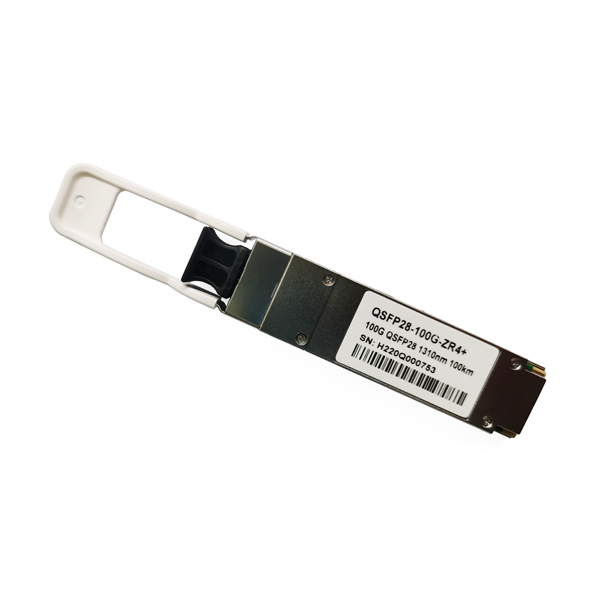
Key Factors Affecting Transmission Distance
Transmission distance is not a fixed value and is affected by the following factors in practical applications:
- Light Source Quality: Laser diodes (LDs) provide longer transmission distances than light-emitting diodes (LEDs).
- Fiber Loss and Dispersion: Low-loss fiber and dispersion compensation technology can extend transmission distance.
- Transmission Rate: Higher transmission rates place stricter requirements on the light source and fiber, potentially limiting the maximum distance.
- Environmental Conditions: External factors such as temperature and humidity can exacerbate signal attenuation.
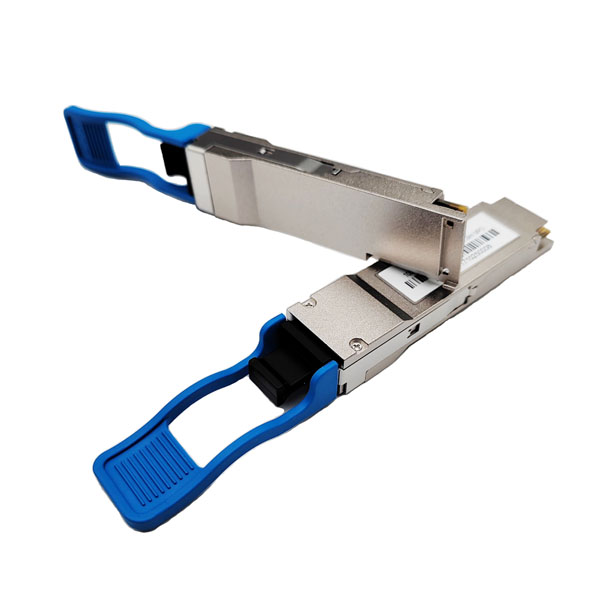
Selection Recommendations
When selecting SFP optical modules, determine the required transmission distance based on the actual application scenario and pay attention to the wavelength, fiber type, and other markings on the module label. For example, multimode SR modules can be selected for data center interconnects, while single-mode LR/ER/ZR modules are required for metropolitan area networks or backbone networks.
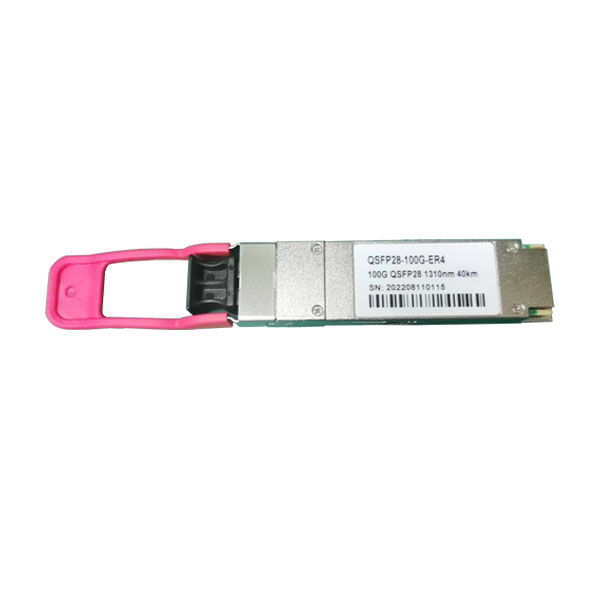
Conclusion
SFP optical modules range in transmission distance from a few meters to hundreds of kilometers. The appropriate module type and fiber optic solution must be determined based on the specific application scenario (e.g., short-distance data center interconnection or long-distance metropolitan area network). Single-mode modules are suitable for long distances, multimode modules for short distances, while high-speed cables and Ethernet modules are used for extremely short-distance rack connections.
For further information on the differences in transmission distance markings for specific modules (e.g., the meaning of SR, LR, ER etc.), please refer to the following resource: Transmission Distance Abbreviation For Fiber Transceiver
