 Skip to content
To determine if a 1.25G single mode SFP fiber transceiver is compatible with the currently used fiber optic equipment, the following key factors need to be considered:
Wavelength Matching
The wavelength of the single mode SFP fiber transceiver must match the requirements of the device port. Common single mode wavelengths are 1310nm or 1550nm. If the wavelengths at both ends do not match (e.g., one end is 1310nm, and the other end is 1550nm), data transmission will fail.
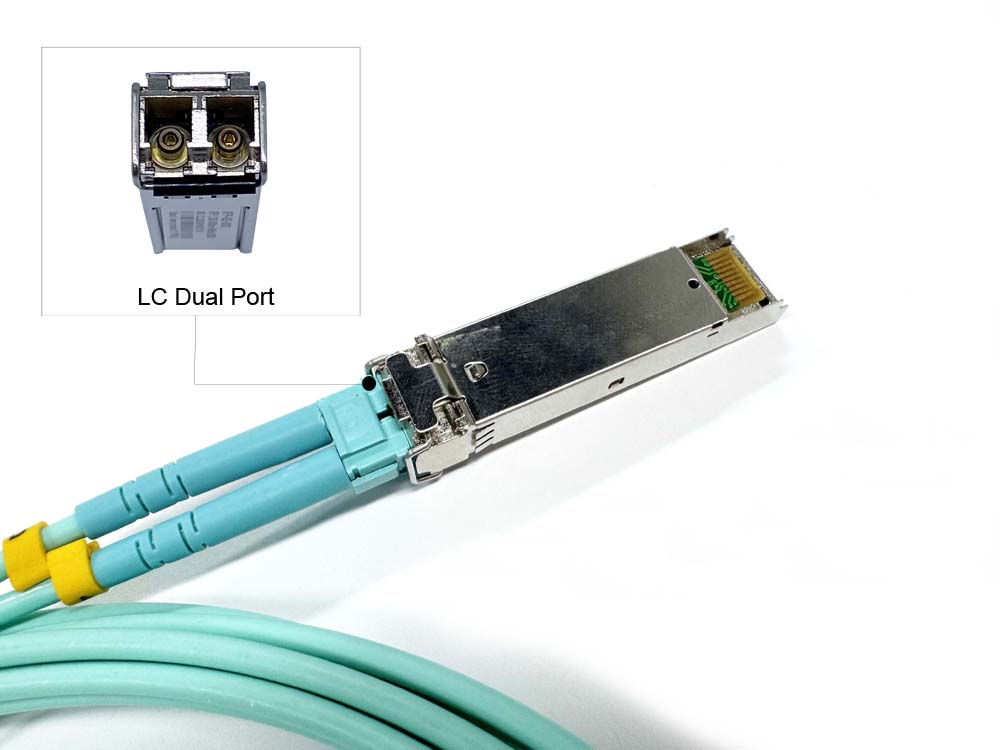
Transmission Rate and Interface Type
Rate Matching: 1.25G optical modules must be inserted into a device port that supports 1G speeds. If mistakenly inserted into a 10G port, connectivity may be lost or the speed may be reduced to 1G.
Interface Compatibility: SFP optical modules can be inserted into SFP+ optical module ports, but reverse insertion (SFP+ modules inserted into SFP ports) may be limited. It is necessary to confirm that the device port type matches the optical module package (e.g., SFP).
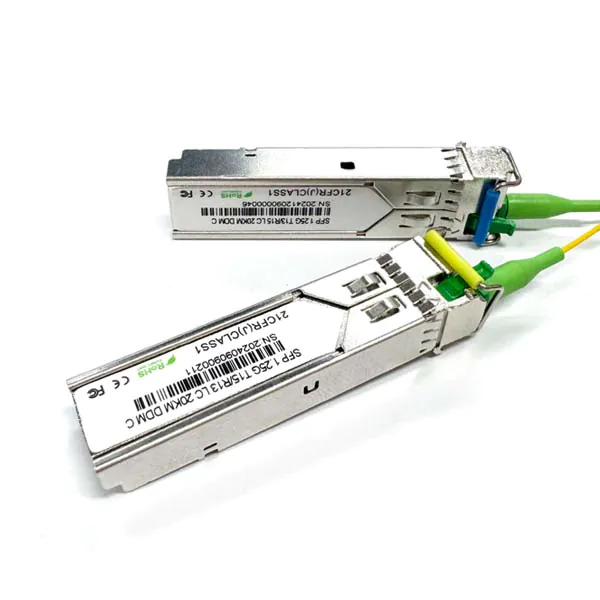
Fiber and Connection
Single-mode Multimode Matching: Single-mode optical modules (yellow fiber) must be paired with single-mode fibers, and multimode optical modules (orange fiber) must be paired with multimode fibers.
Dual-fiber, Single-fiber Distinction: Dual-fiber modules must be used in pairs. Single-fiber modules (bidi optical module) require different wavelengths (e.g., 1310nm/1550nm) to distinguish the transmit and receive directions.
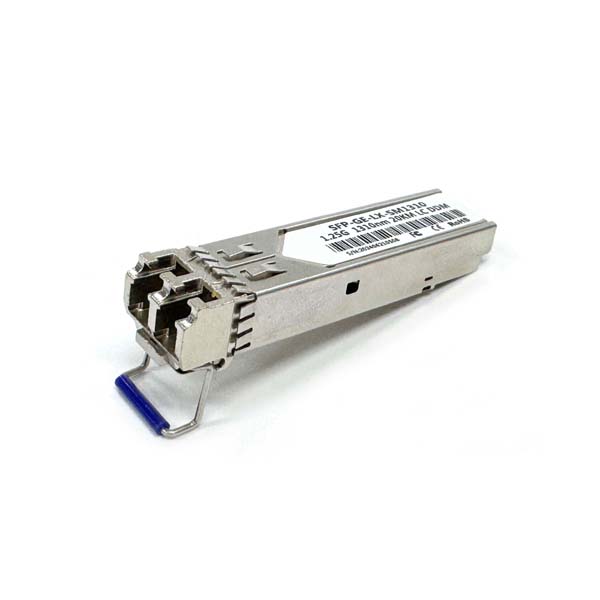
Compatibility Testing Methods
Physical Installation: Align the optical module with the device’s optical port and gently push it until a “click” sound is heard. Observe whether the indicator light illuminates to make a preliminary judgment on physical compatibility.
Command Line Testing: Execute the “display transceiver interface” command on the device to check whether the optical module parameters (such as wavelength and data rate) are consistent with expectations.
Actual Transmission Testing: Verify data transmission stability using Ping or traffic analysis tools to ensure no packet loss or bit errors.
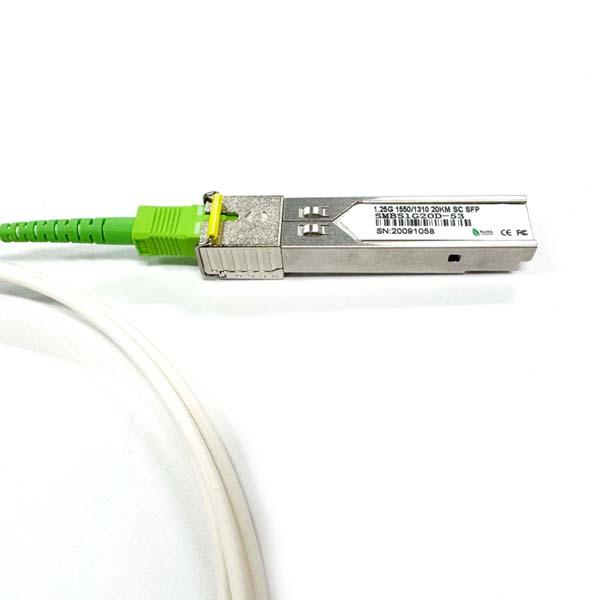
Brand / Model Verification
Original Manufacturer Compatibility List: If enough budget, pioritize optical modules certified by the equipment manufacturer (such as Huawei and Cisco) to avoid malfunctions caused by firmware incompatibility with third-party modules.
Third-Party Module Risks: For non-original modules, confirm the supported device models. Some may require modification of EEPROM information, posing a warranty risk.
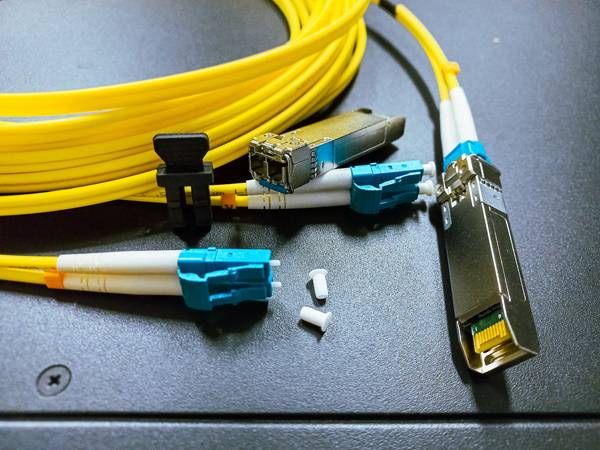
Yingd, as top optical module manufacturers from China, wholesale and supply various SFP Transceiver Types with best SFP Transceiver Price. Please specify the specific model or compatible brand which you need, then best offer will send to you.
By following the steps above, you can systematically evaluate the compatibility of the 1.25G single-mode SFP fiber transceiver with the device. If you are still unsure, it is recommended to consult Yingda technical support.
FAQ
How to check the compatibility of SFP fiber transceiver?
When checking the compatibility of fiber transceiver, first obtain the module parameters through device commands and verify whether the wavelength, distance, interface, etc., match. If using third-party modules, it is recommended to refer to the equipment manufacturer’s compatibility list or consult the supplier.
How can I determine if my fiber transceiver is damaged?
To determine whether a 1.25G single mode fiber transceiver is damaged, a systematic investigation is required, combining optical power testing, compatibility parameter checks, and manufacturer specification verification.
What are the differences between third-party compatible modules and original modules?
Third-party compatible modules differ from original manufacturer modules in terms of cost, quality, compatibility, warranty, and application scenarios. For those prioritizing cost-effectiveness and flexibility, third-party compatible modules are a more economical choice; for those valuing brand reputation and long-term stability, original manufacturer modules are more reliable.
